Custom Overmolding Services: Metal-to-Plastic, Rubber & IP68 Electronics Overmolding
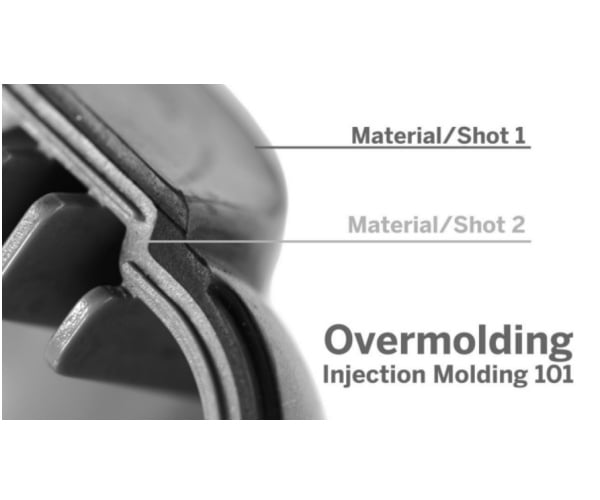
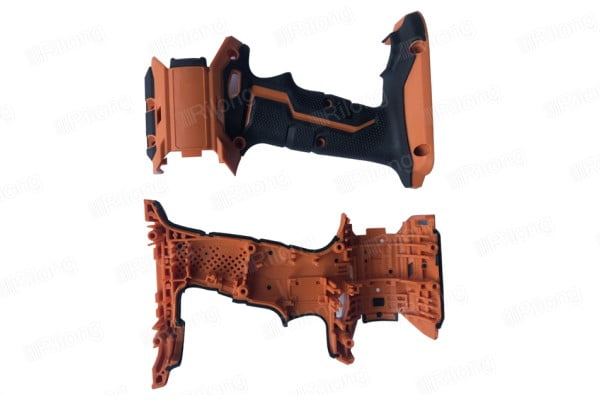
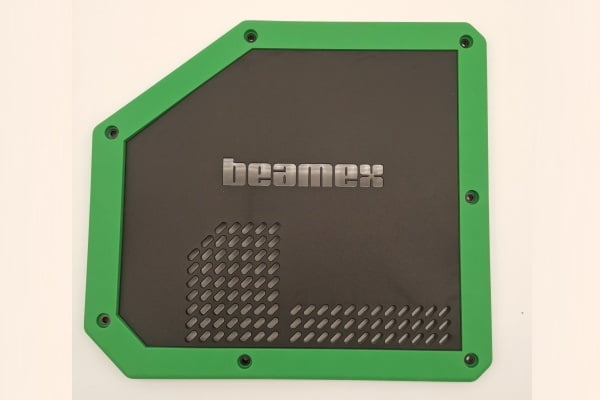
Rilong Precision Mold delivers custom precision overmolding services integrating metal-to-plastic, rubber-to-plastic, and liquid silicone rubber (LSR) technologies. With 30+ years of tooling and injection expertise in Shenzhen, China, we specialize in high-retention metal insert overmolding (screws, busbars, terminals), IP68 waterproof electronic sensor encapsulation, and multi-material ergonomic components. We deliver tight tolerances down to ±0.01mm, ISO 9001:2015 certified quality, and comprehensive DFM analysis within 24 hours.
1. Metal with Plastic Overmolding & Insert Molding Specifications
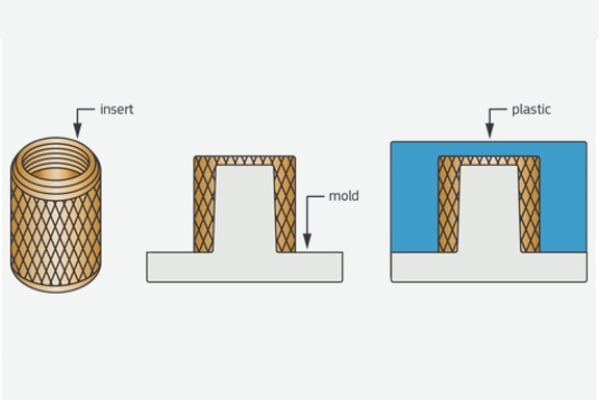
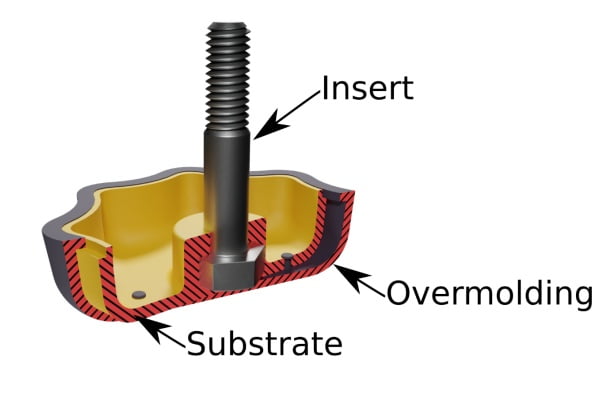
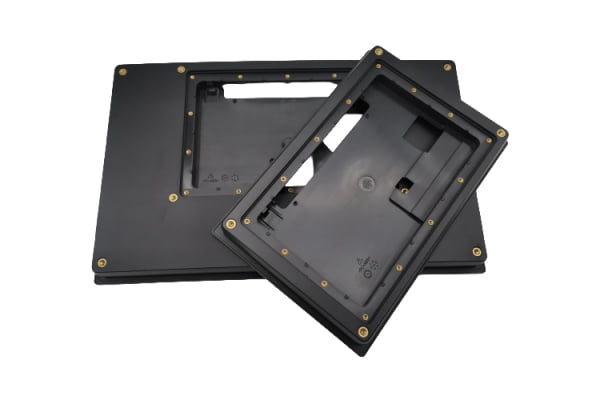
Insert molding embeds metal components—such as brass threaded inserts, stainless steel fasteners, structural stamping brackets, electrical busbars, and precision screws—directly into thermoplastic substrates. We engineer mechanical retention features and optimize thermal expansion differentials to guarantee superior pull-out force and rotational torque resistance.
| Insert Type & Material | Overmolded Resins | Retention Geometry | Mechanical Performance | Typical Applications |
|---|---|---|---|---|
| Overmolding Screw & Threaded Inserts Brass / 303/304 Stainless | PA66+30%GF, PC, PBT, POM, ABS | Diamond knurling, straight knurling & annular undercuts | Pull-out: >850 N to >1,800 N Torque: >4.5 N·m to >12 N·m | Structural device chassis, drone frames, automotive sensor mounts |
| Electrical Busbars & Terminals C1100 Copper / Phosphor Bronze | PA66, PPA, PPS, High-temp PBT | Precision stamped retention holes, bent tabs & sealing shutoffs | Dielectric strength: >25 kV/mm Zero flash on contact pads | EV battery interconnects, power distribution units, industrial relays |
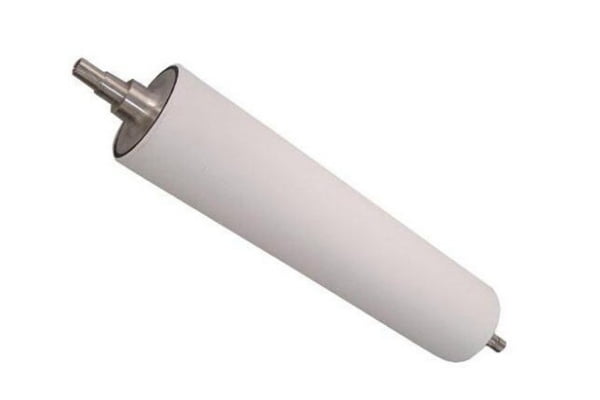
| Structural Shafts & Studs Hardened Steel / Stainless Steel | POM, PEEK, PA66+50%GF, PC/ABS | Cross-drilled pins, axial grooves & stepped shoulders | Axial retention: >3,000 N Runout tolerance: ±0.015 mm | Power tool drive mechanisms, robotic gear hubs, medical pumps |
| Sealing Bushings & Collars Anodized Aluminum / Brass | TPE, TPU, LSR Silicone, PP | Chemical silane primer + annular sealing barbed grooves | Hydraulic burst pressure: >1.5 MPa Leak-free seal | Pneumatic valve bodies, fluid manifold connectors, sensor housings |
2. IP68 Waterproof & Electronics Overmolding
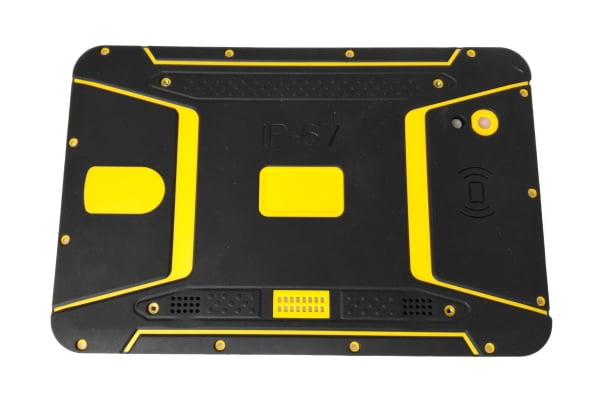
Electronics overmolding replaces messy, labor-intensive potting compounds with high-speed, repeatable injection molding. We utilize low-pressure polyamide hot-melts and high-pressure thermoplastic/LSR encapsulation to shield sensitive PCBs, sensors, and micro-switches against moisture, dust, vibration, and thermal shock.
| Technology / Process | Encapsulation Resins | Injection Pressure | Waterproof Standard | Key Engineering Advantages |
|---|---|---|---|---|
| Low-Pressure Molding (LPM) | Macromelt Polyamide, Polyolefin Hot-Melts | 2 to 30 bar (Low Stress) | IP67 / IP68 Certified | Direct encapsulation of fragile solder joints, zero component displacement, 30s cycle time |
| High-Pressure Precision Overmolding | Engineering PC/ABS, PBT, TPU, TPE | 300 to 1,000 bar | IP68 Hermetic Seal | Rugged structural exterior, impact resistance (IK08+), aesthetic surface finish (SPI A-2 / VDI 24) |
| Liquid Silicone Rubber (LSR) Encapsulation | Optical & Medical Grade Two-Part LSR | 50 to 250 bar (Cold Deck) | IP68 & IP69K Washdown | Temperature resistance (-50°C to +200°C), biocompatible (USP Class VI), flexible tactile seals |
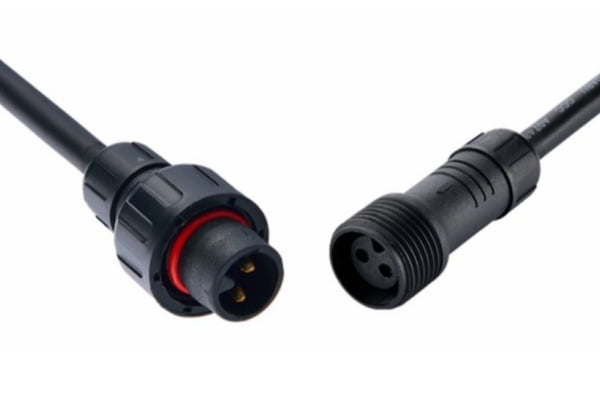
| Cable & Connector Strain Relief | Flexible TPE (Shore 45A-75A), TPU | 150 to 500 bar | IP68 Waterproof | 10,000+ bend cycle life, continuous bond to PVC/PUR cable jackets, pull force >150 N |
3. Automotive & Industrial Rubber Overmolding Substrate Compatibility Matrix
Reliable overmolding demands true chemical and thermodynamic compatibility between the rigid core and soft elastomeric overmold. The matrix below outlines bonding strengths, recommended processing parameters, and hardness selections.
| Rigid Substrate Material | Soft Overmold Material | Hardness Range | Bonding Type | Adhesion Performance & Guidelines |
|---|---|---|---|---|
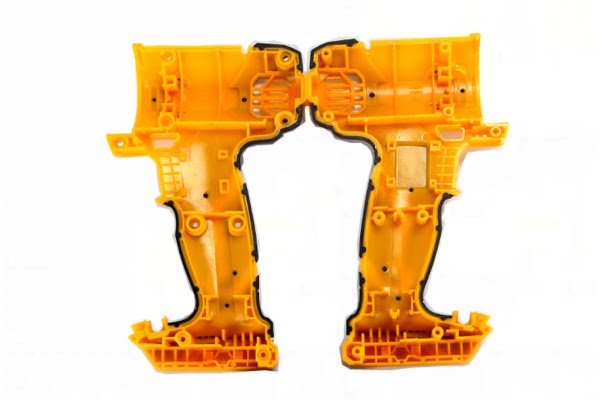
| PC, ABS, PC/ABS Alloy | TPE (Styrenic TPS), TPU | Shore 30A to 85A | Chemical Molecular Melt | Cohesive bond failure (elastomer tears before interface separates); no primer needed |
| PA6, PA66, PA66+30%GF | Specialty Polyamide-grade TPE / TPU | Shore 50A to 90A | Chemical Covalent Bond | Excellent bond; substrate requires preheating to >80°C during transfer overmolding |
| PBT, PET Polyester | PBT-compatible TPE / TPV | Shore 40A to 80A | Chemical / Thermal Fusion | High chemical resistance against automotive fuels, hydraulic oils, and brake fluids |
| Stainless Steel, Brass, Aluminum | LSR Liquid Silicone Rubber | Shore 20A to 70A | Primer + Mechanical Lock | Silane coupling agent applied + undercut retention grooves for hermetic seals |
| POM (Acetal), PP, PE | Standard TPE / TPU | Shore 35A to 80A | Mechanical Interlocking | Low surface energy; requires engineered through-holes, dovetails, and perimeter ribs |
Related Engineering Decision Guides
Overmolding Metal with Plastic: Complete DFM, Insert Design & Bonding Guide
Knurling retention geometries, Chemlok primers, CTE mismatch mitigation, and robotic automated insert molding.
IP68 Waterproof Electronics Overmolding: Low-Pressure vs. LSR & TPE Encapsulation
Low-Pressure Molding (LPM) vs high-pressure encapsulation for delicate PCBs, sensors, and cable strain reliefs.
2K Two-Shot Injection Molding vs. Overmolding: Cost, Tolerance & Tooling Selection Matrix
Side-by-side comparison of 2K rotary platen tooling vs pick-and-place overmolding, volume break-even, and ±0.01mm tolerances.
Frequently Asked Technical Questions (FAQ)
What is electronics overmolding and how does it replace potting?
Electronics overmolding encapsulates printed circuit boards (PCBs), sensors, connectors, and cable harnesses directly with polyamide hot-melt or engineered thermoplastics/LSR. Unlike liquid potting resins that require 24-hour curing ovens and chemical mixing, low-pressure and precision overmolding cures in seconds, creates a hermetic IP68 seal, and significantly reduces total cycle time and material waste.
How does Rilong achieve IP68 waterproof sealing in overmolded assemblies?
Rilong achieves certified IP68 waterproof performance through a dual-defense mechanism: high-affinity chemical molecular fusion between substrate and overmold resins (e.g., PC/ABS with TPU/TPE or primed stainless steel with LSR), combined with mechanical interlocking tortuous-path ribs and precision shutoff steel. Every production batch undergoes 100% in-line air-decay pressure leak testing.
What are the design guidelines for metal insert overmolding (overmolding screw)?
Metal insert overmolding requires precision CNC locating pins to support the insert against high injection pressure, aggressive diamond or helical knurling to resist torque forces, annular undercuts to prevent axial pull-out, and sufficient plastic wall thickness (minimum 1.5x insert radius) to eliminate hoop stress cracking.
How do you prevent substrate deformation during second-shot injection?
Substrate deformation is prevented through precise tooling shutoff support beneath thin walls, Moldflow gate optimization to distribute injection pressure evenly, and selecting overmold materials with processing melt temperatures compatible with the substrate resin heat deflection temperature (HDT).
What is the difference between two-shot injection molding and insert overmolding?
Two-shot (2K) molding utilizes a specialized dual-barrel injection machine and a rotating platen to mold two materials within one automated machine cycle without human handling. Insert overmolding places a pre-formed metal part, cable, or pre-molded substrate into the mold cavity either manually or via robotics before injecting the overmold layer.