
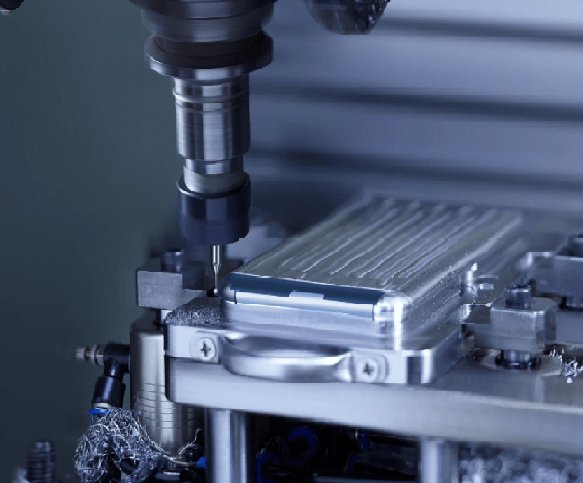
Procedure of Mould Flow
From product data and DFM review to tool machining, validation, and stable mass production.
- Stage 01
Product Definition
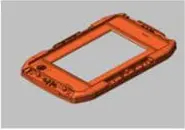
 Part Image
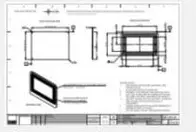
 2D Drawing
 DFM Review
- Stage 02
Tool Design & Machining
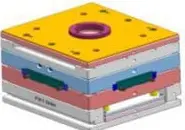
- Mold Drawing
 EDM Machining
 WEDM Machining
- Stage 03
Finishing & Trial
 Polishing
 Fit & Assemble Mold
- Trial Mold
- Stage 04
Validation & Production
 QC Inspection
 T1 Sample
 Mass Production

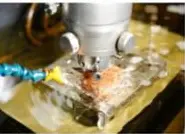



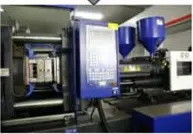

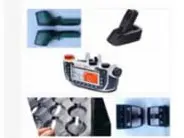

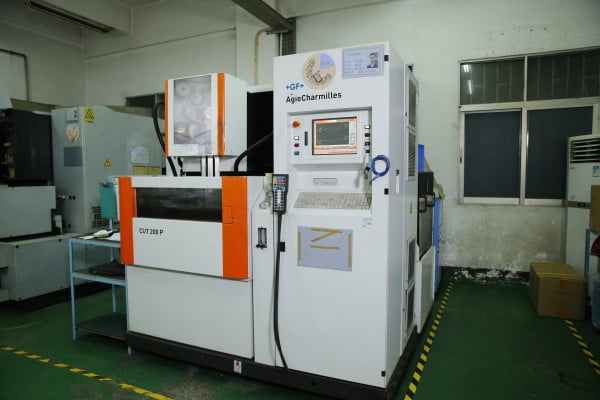

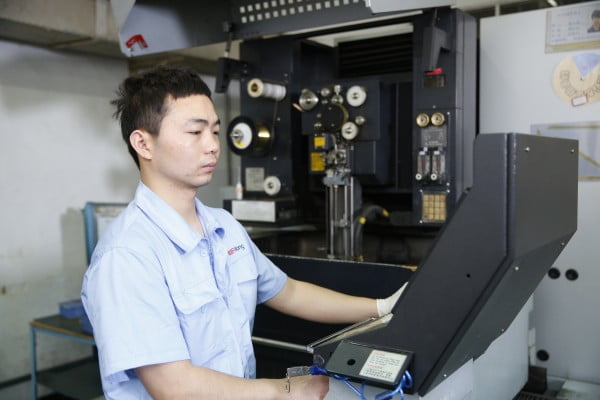
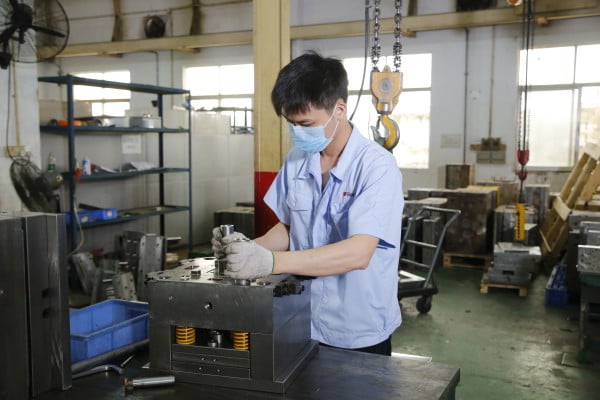
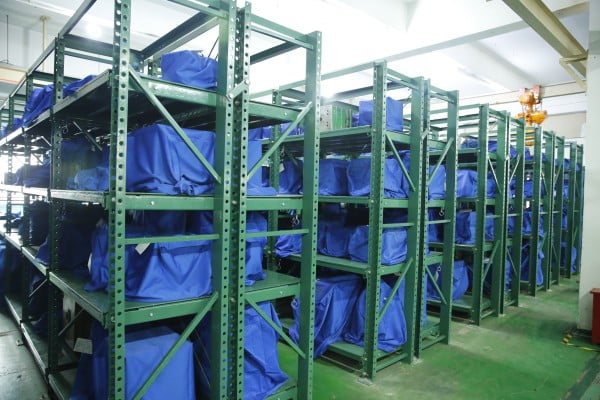
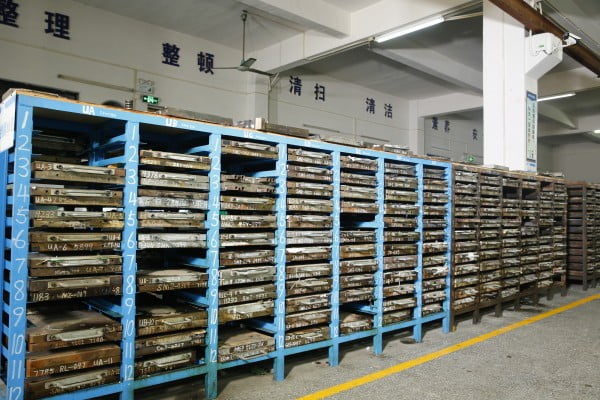
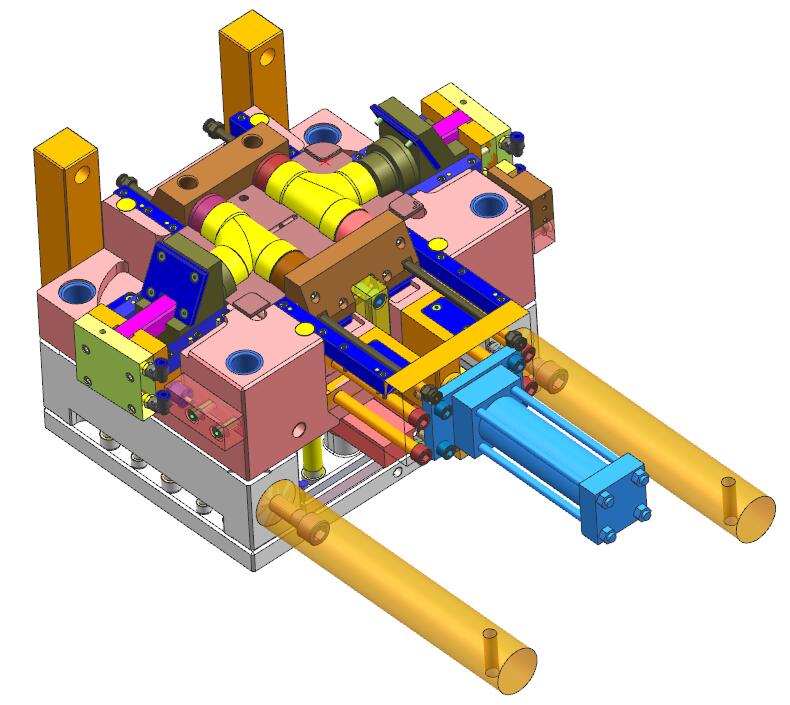
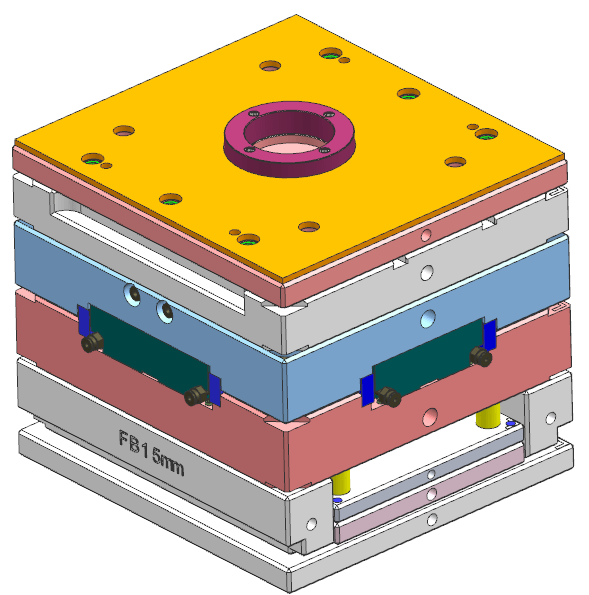
Precision Mold Manufacturing Gallery
Explore our mold design, CNC, EDM, milling, assembly, and tooling management capabilities.
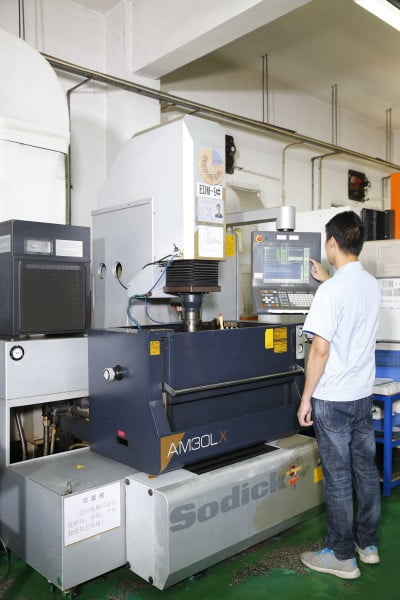
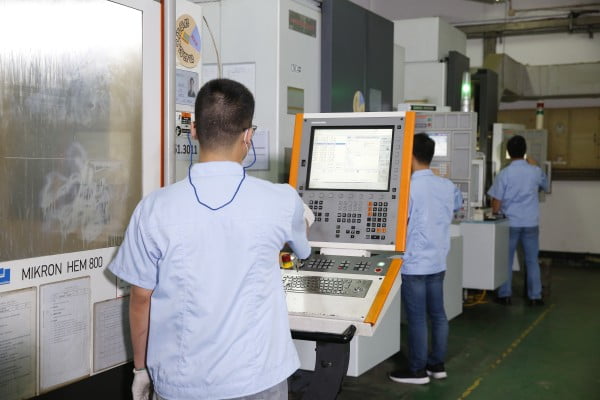
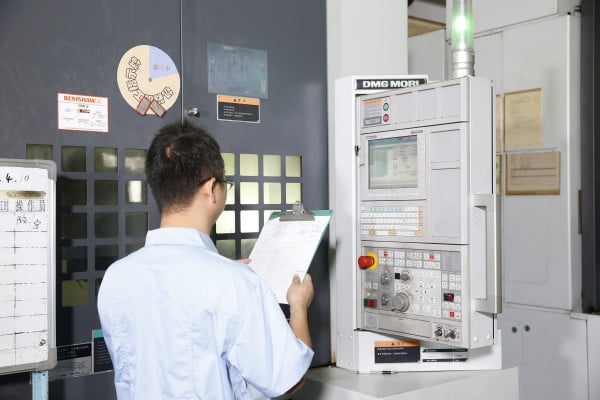
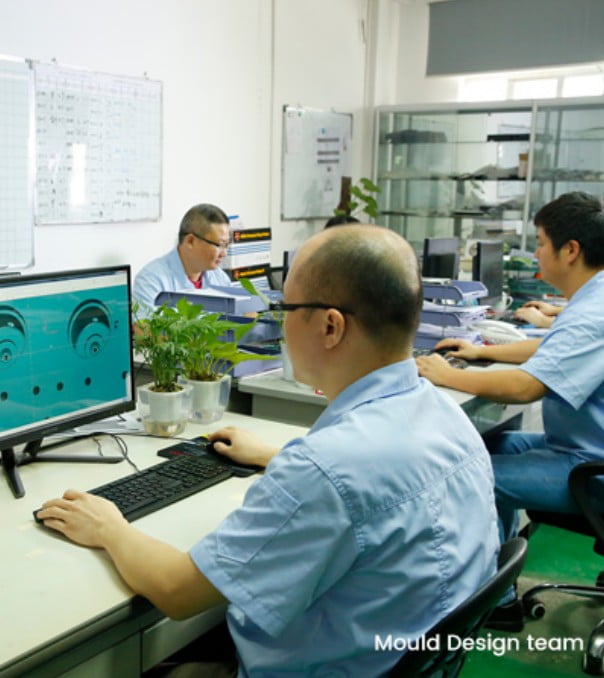
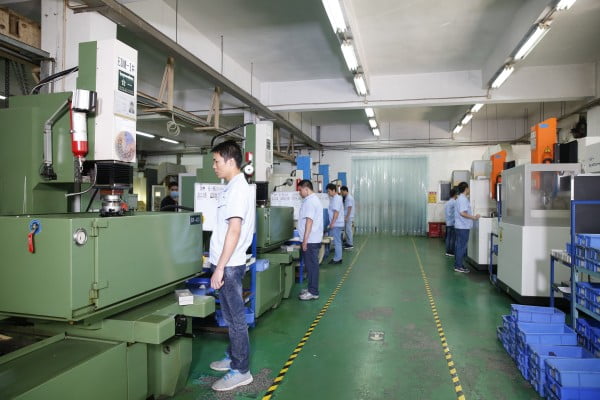
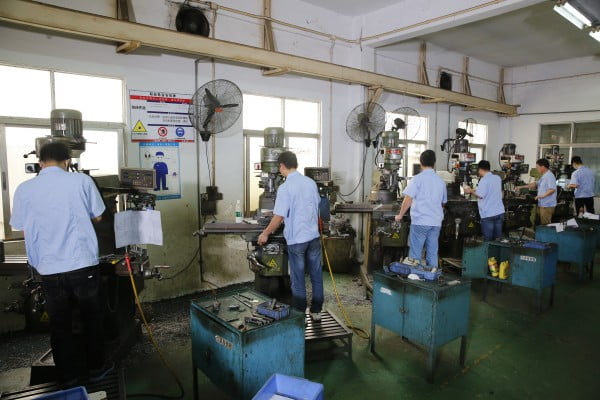
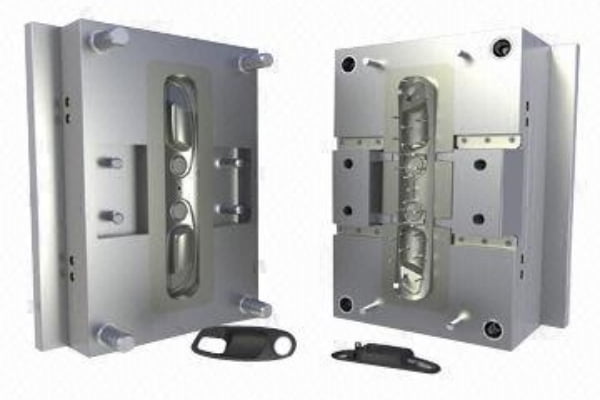
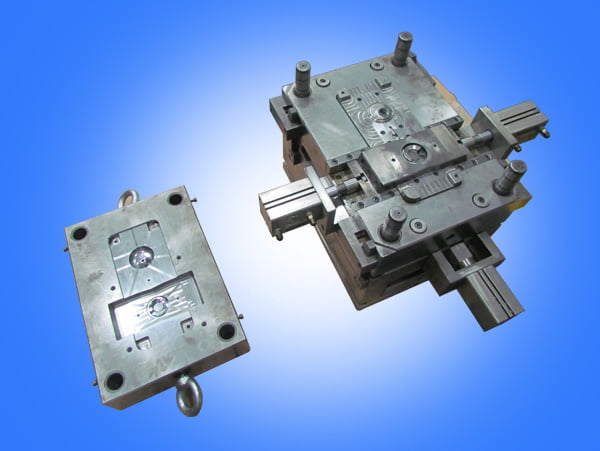
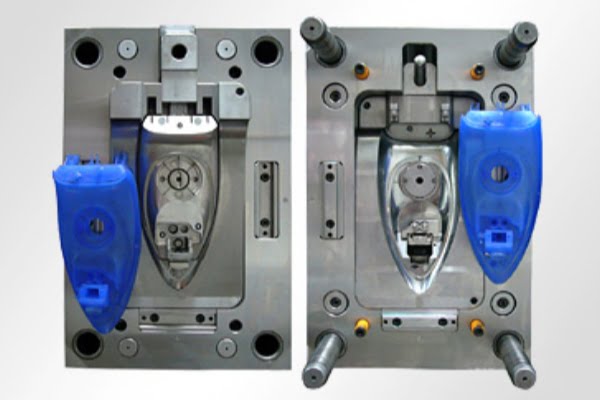
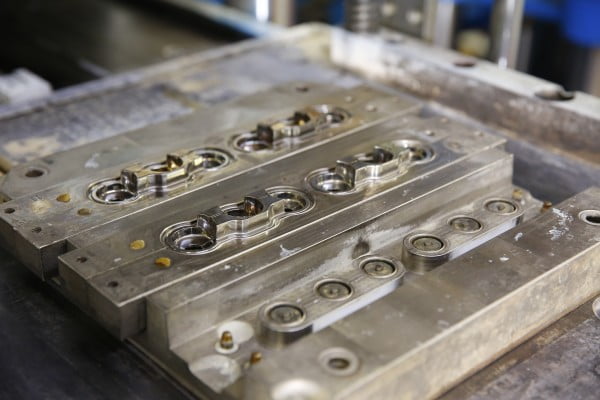
Precision Mold Design and Manufacturing From an Engineering Perspective
A high-precision mold is not just a machined steel block. It is an engineered production system that must control plastic flow, cooling, venting, shrinkage, ejection, surface quality, and long-term repeatability. Rilong Precision Mold combines DFM review, mold flow analysis, 3D mold design, CNC machining, EDM, wire cutting, grinding, polishing, CMM inspection, mold trial, and production feedback to build tooling that can hold tight tolerances in real manufacturing conditions.
DFM and Mold Structure Design
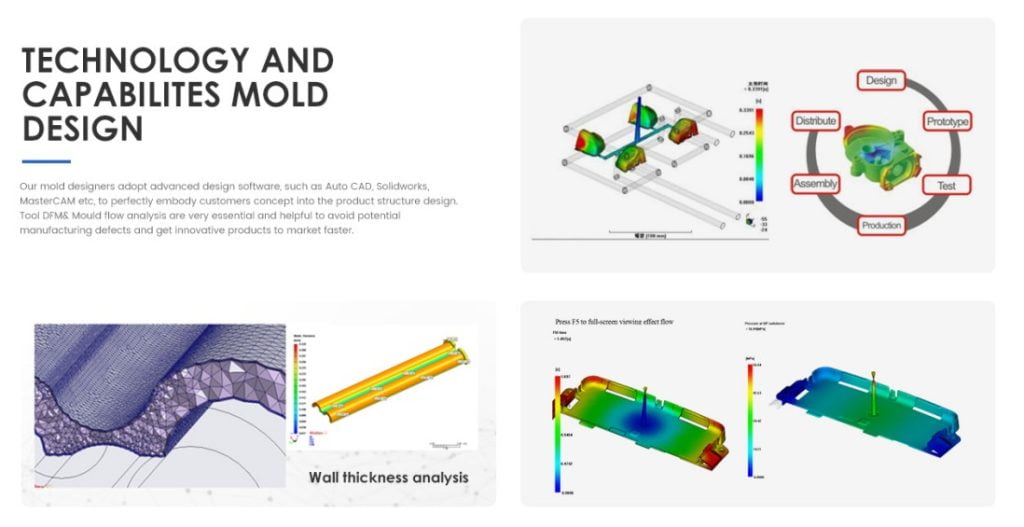
Before mold steel is cut, the tooling team reviews the 3D part model, 2D tolerances, material, expected volume, assembly requirements, and cosmetic standards. This DFM stage confirms parting line, draft angle, shutoff, slider and lifter design, insert layout, wall thickness, ribs, bosses, texture, and ejection positions. A strong DFM review prevents common tooling problems such as flash, sink marks, drag marks, weak shutoff, difficult demolding, and avoidable mold modification.
- Parting line and shutoff should protect cosmetic areas and critical assembly surfaces.
- Slides, lifters, inserts, and core pulls must be designed for stability and easy maintenance.
- Critical dimensions need clear tolerance strategy before machining starts.
Mold Flow, Gate, Runner, and Cooling
Mold flow analysis helps predict filling balance, weld lines, air traps, pressure loss, shrinkage, and warpage. Gate position and runner design should fill the cavity smoothly while keeping the visible surface clean and the holding pressure effective. Cooling channels must remove heat evenly from thick and thin sections, because uneven cooling is one of the main causes of deformation and unstable cycle time.
- Gate location should support part strength, appearance, and dimensional stability.
- Balanced runners improve cavity-to-cavity consistency in multi-cavity molds.
- Cooling layout affects cycle time, warpage, and long-term production cost.
Precision Machining and Steel Control
Precision mold manufacturing depends on the correct combination of CNC machining, high-speed milling, EDM, mirror EDM, wire cutting, grinding, fitting, and polishing. Steel selection should match resin corrosiveness, glass fiber content, expected mold life, surface finish, and maintenance needs. Rilong's tooling center uses high-precision equipment and inspection control to keep cavity, core, insert, and electrode work within drawing requirements.
- CNC and EDM accuracy affects cavity fit, parting line quality, and dimensional repeatability.
- Wire cutting and grinding are important for inserts, shutoffs, and precision mold components.
- Polishing and texture preparation must match the resin, draft, and release requirements.
Mold Trial, Validation, and Correction
Trial production verifies whether the mold performs under real injection conditions. The team checks short shot, flash, sink, weld line, burn mark, warpage, gate vestige, ejection mark, surface defect, and critical dimensions. For precision molds, the first trial is not only about getting parts out of the mold; it is about defining a stable process window and confirming whether tooling corrections are needed before production approval.
- T0/T1 samples should be measured against 2D drawings and functional requirements.
- Process parameters should be recorded so changes are based on data, not guesswork.
- Correction plans should separate tooling issues from molding process issues.
Rilong's Precision Mold Project Workflow
1. Requirement review
We review CAD data, resin or rubber material, part function, tolerance, surface finish, annual volume, and product assembly requirements.
2. DFM and mold design
Our engineers define parting line, gate, runner, cooling, venting, ejection, inserts, sliders, lifters, steel, and mold base structure.
3. Machining and inspection
The tooling center uses CNC, EDM, wire cutting, grinding, polishing, fitting, and CMM inspection to manufacture the mold components.
4. Trial and production support
We validate samples, dimensions, surface quality, process window, and mold reliability before supporting pilot run or mass production.
Mold Types and Capabilities
- Single-color plastic injection molds and multi-cavity production molds.
- 2K, two-shot, multi-material, and overmolding tools.
- LSR injection molds, silicone compression molds, rubber molds, and keypad molds.
- Flip-top cap molds, medical soft-part molds, gaskets, housings, and precision inserts.
- Tooling support for medical, automotive, telecommunication, security, consumer electronics, sports, musical, and marine equipment.
What Customers Should Prepare
For faster quoting and more accurate mold design, provide 3D CAD files, 2D drawings with critical dimensions, material grade, shrinkage data if available, surface finish or texture requirements, target volume, sample quantity, assembly information, and special testing standards such as sealing, pull force, torque, drop test, or heat resistance.
Precision Mold Design FAQ
What makes a mold a precision mold?
A precision mold is designed and manufactured to hold tight dimensions repeatedly. It requires accurate cavity and core machining, stable mold structure, controlled cooling, proper venting, reliable ejection, and inspection methods such as CMM measurement.
Why is DFM important before mold manufacturing?
DFM identifies design and tooling risks before steel cutting. It helps improve parting line, draft, wall thickness, ribs, bosses, gate location, ejection, and tolerance strategy, reducing mold correction cost and development time.
How does mold flow analysis improve injection mold quality?
Mold flow analysis predicts filling, weld lines, air traps, pressure, shrinkage, cooling, and warpage. It helps engineers select gate location, runner balance, venting, and cooling before the mold is manufactured.
Can Rilong manufacture both plastic and silicone molds?
Yes. Rilong designs and manufactures plastic injection molds, 2K molds, overmolds, LSR injection molds, silicone compression molds, rubber molds, flip-top cap molds, and silicone keypad molds.