
Over Molding and Insert Molding From a Precision Mold Perspective
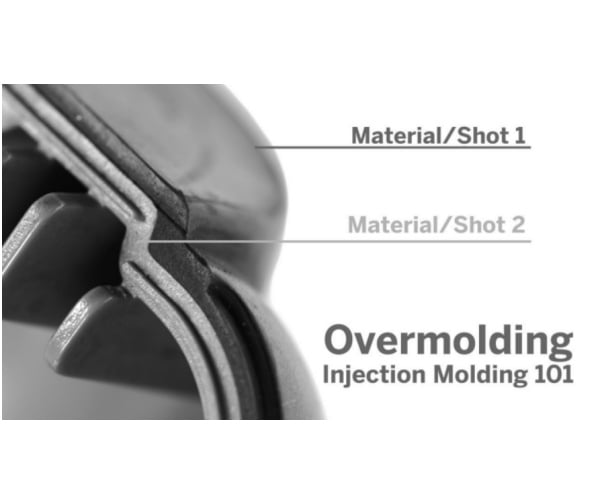
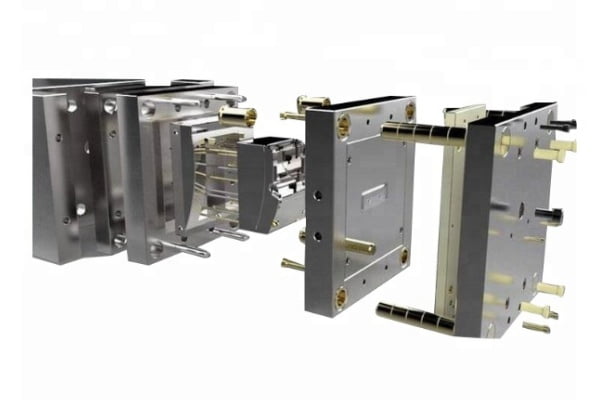
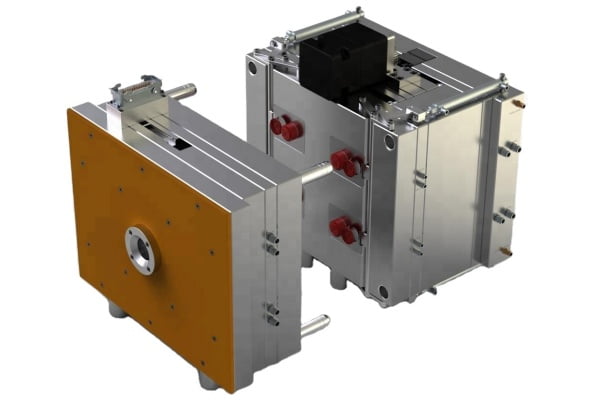
For a successful over molding project, the most important work happens before trial production. The mold must hold the substrate accurately, protect any insert or electronic component, control the second-shot flow front, and keep the bonding surface stable from shot to shot. Rilong Precision Mold evaluates part geometry, material pairing, sealing requirements, tooling steel, gate location, cooling, venting, and demolding together so the finished component is not just attractive, but repeatable in mass production.
Material Compatibility and Bonding
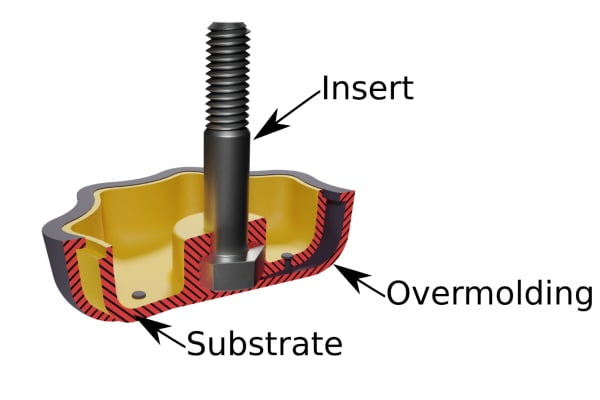
Overmolding is not only a tooling question. The substrate and overmold material must be selected as a system. A TPE or TPU layer may bond well with PP, ABS, PC, PA, or PC/ABS only when the grade, melt temperature, surface energy, and contact area are suitable. For silicone rubber over plastic or metal, mechanical locking features, undercuts, holes, grooves, plasma treatment, primer, or surface texture may be needed to improve adhesion.
- Plastic over plastic: color, rigidity, function, and chemical compatibility must be checked early.
- Soft plastic over hard plastic: TPE/TPU hardness, shrinkage, and oil resistance affect grip and fit.
- Silicone rubber over plastic or metal: bonding design and temperature resistance are critical.
Insert Positioning and Mold Shutoff
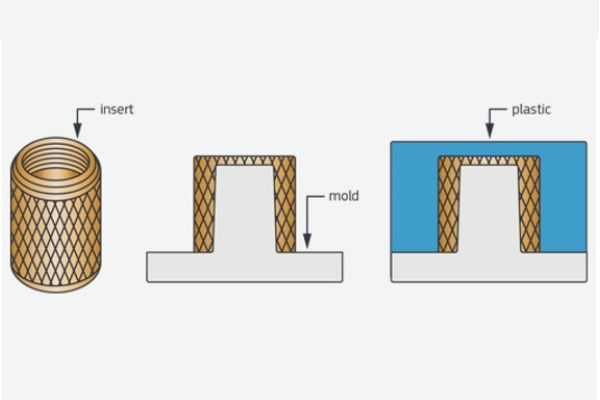
Insert molding requires stable location of metal, brass screws, stainless-steel parts, cables, seals, or electronic components inside the mold cavity. If the insert moves during injection, the part can flash, short shot, expose metal, damage wires, or lose dimensional accuracy. A precision mold uses locating pins, nest features, controlled clamping surfaces, and protected shutoff areas to keep every insert repeatable.
- Metal inserts need enough plastic flow and retention geometry to resist pull-out and torque.
- Cables and electronics need gentle clamping, strain relief, and heat exposure control.
- Sealing parts need flash control around the shutoff line and stable compression geometry.
Gate, Flow, Venting, and Cooling Design
The gate position should fill the overmold layer without jetting, weld-line weakness, air traps, or substrate deformation. Thin soft-touch layers, rubber seals, and small insert areas are sensitive to pressure loss and trapped gas. Rilong reviews the filling path, venting positions, runner balance, cooling layout, and ejection method so the part can be produced with stable appearance and dimensions.
- Balanced flow helps avoid uneven shrinkage and local overpacking.
- Good venting reduces burns, trapped air, poor bonding, and incomplete seal areas.
- Cooling must match the thick and thin sections to control warpage after demolding.
DFM Review Before Tooling
A DFM review for over molding should confirm bonding area, wall thickness, draft angle, shutoff feasibility, material shrinkage, insert loading method, expected cycle time, and inspection plan. This step reduces mold modification risk and helps customers decide whether to use two-shot molding, transfer overmolding, manual insert loading, or a semi-automatic production process.
- Recommended overmold wall thickness should be consistent where possible.
- Draft and parting lines should support clean release without damaging soft surfaces.
- Critical dimensions should be defined before tool steel is cut.
Rilong's Overmolding Project Workflow
1. Application and material review
We review the product function, working environment, sealing requirement, hardness target, chemical exposure, color, cosmetic standard, and annual volume.
2. Mold design and DFM
Our tooling team checks substrate location, gate type, runner system, shutoff, inserts, draft, cooling, venting, ejection, and tolerance stack-up.
3. Trial, validation, and adjustment
During mold trial, we verify bonding strength, flash, short shot, warpage, appearance, insert pull-out, torque, sealing, and dimensional stability.
4. Production quality control
For mass production, Rilong controls material drying, insert loading, process window, visual inspection, critical dimensions, and functional checks.
Typical Overmolding Applications
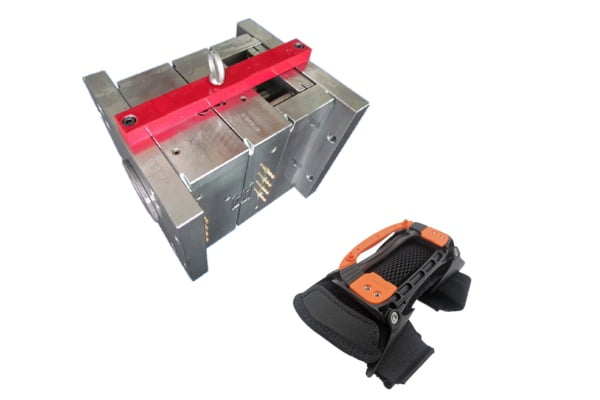
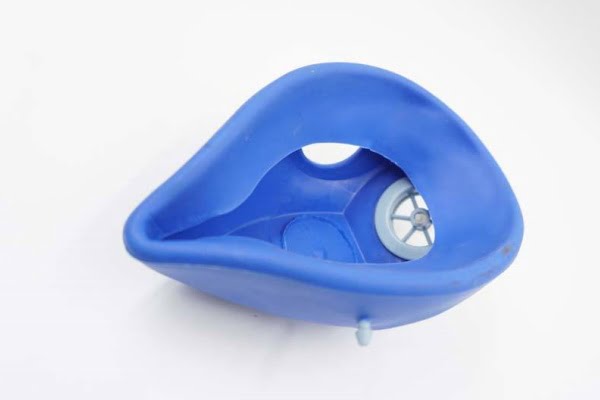
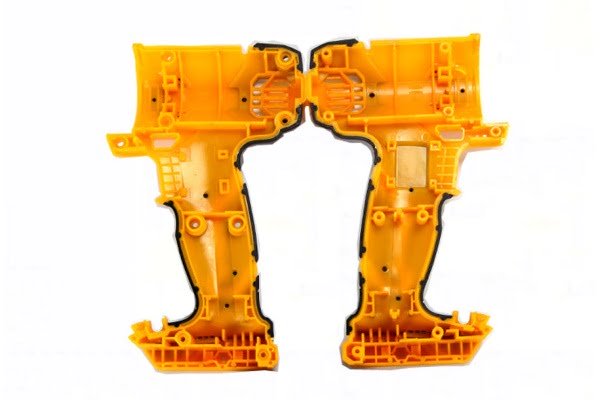
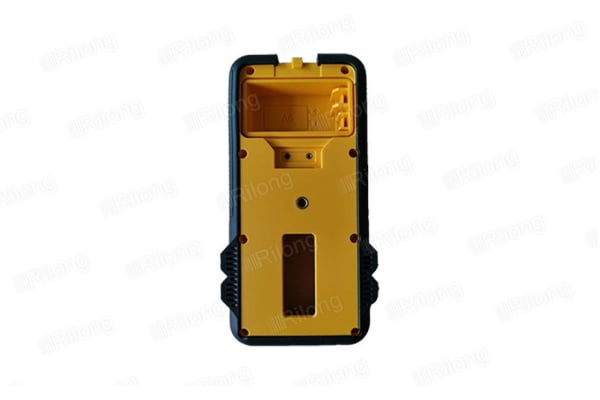
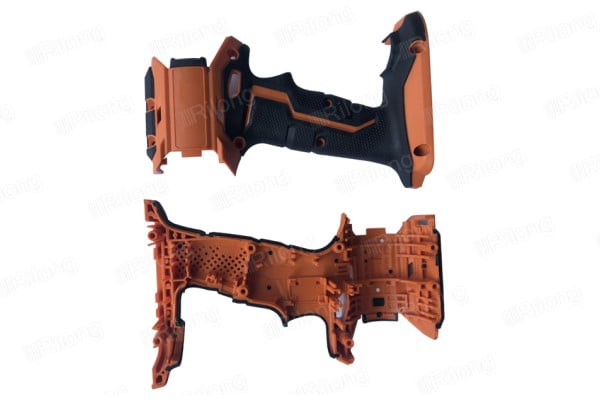
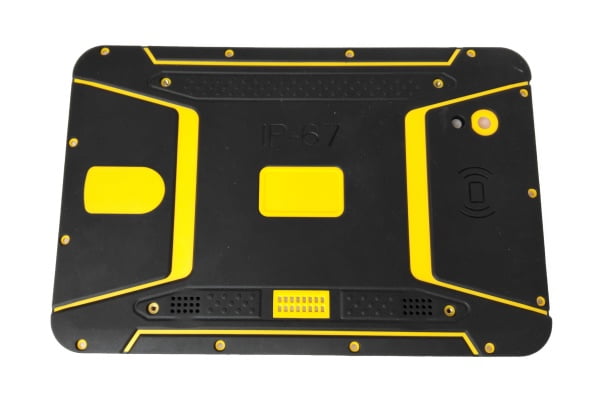
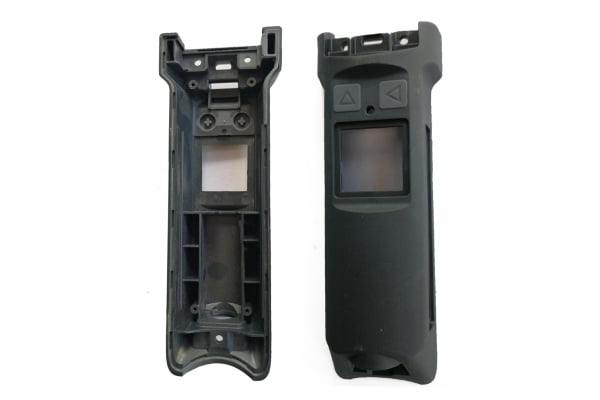
- Handheld device housings with soft TPE grip areas.
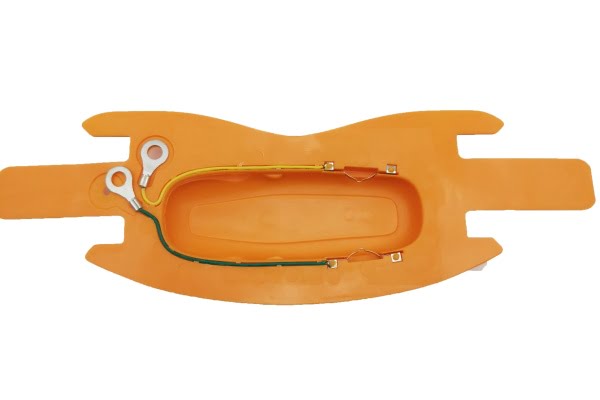
- Plastic cases with waterproof silicone rubber seals.
- Medical, industrial, automotive, and consumer product handles.
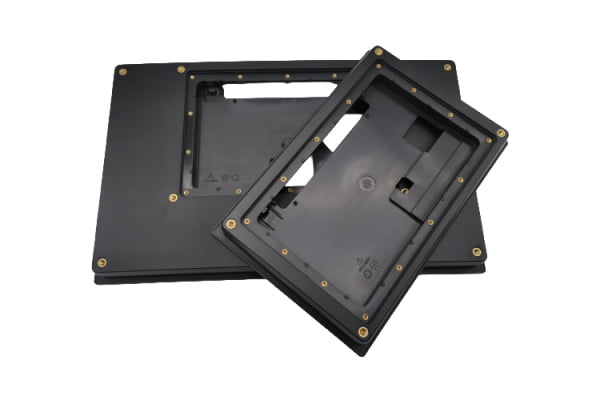
- Metal clip, screw, brass insert, stainless-steel rod, and threaded insert molding.
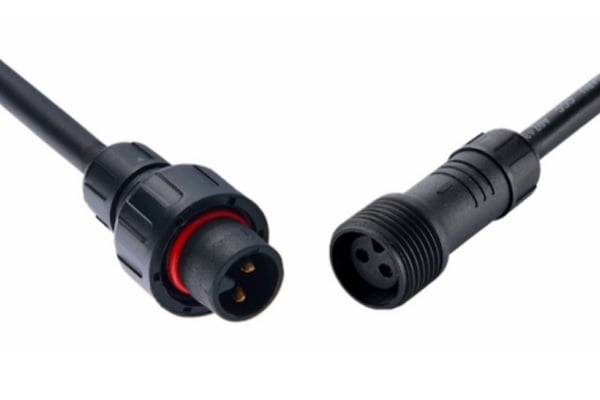
- Cable, connector, socket, sensor, and electronic component overmolding.
Why Mold Expertise Matters
Over molding failures often come from small tooling details: an unstable insert nest, weak shutoff edge, poor venting, excessive injection pressure, unsuitable texture, or insufficient mechanical lock. By combining precision mold design, plastic injection molding, silicone rubber molding, and assembly experience, Rilong helps customers reduce development cycles and improve production yield.
Over Molding FAQ
What is the difference between over molding and insert molding?
Over molding adds a second material over a substrate to improve grip, sealing, insulation, vibration resistance, or appearance. Insert molding places a metal, cable, electronic part, screw, or other insert into the mold before plastic or rubber is injected around it.
Can silicone rubber be over molded onto plastic or metal?
Yes. Silicone rubber can be over molded onto selected plastics or metals, but adhesion must be engineered through material selection, surface treatment, primer, mechanical locking, or part geometry. The mold also needs stable shutoff and temperature control.
What causes flash or weak bonding in overmolded parts?
Common causes include poor shutoff design, insert movement, trapped air, wrong material pairing, insufficient melt temperature, contaminated substrate surface, unbalanced flow, and excessive clamping or injection pressure. A DFM review can identify these risks before tooling.
When should a project use two-shot molding instead of manual insert overmolding?
Two-shot molding is usually better for high-volume production when both materials can be processed in one machine cycle with tight repeatability. Manual or transfer insert overmolding can be more flexible for metal inserts, cables, electronics, silicone rubber parts, or lower-volume specialty components.